
 简体中文
简体中文







ドイツのバーマグ社向けに当社が生産したバーマグ社のシフトフォークは、化学繊維工場での実用化試験に合格しており、純正機械の技術水準を上回る品質を有しております。

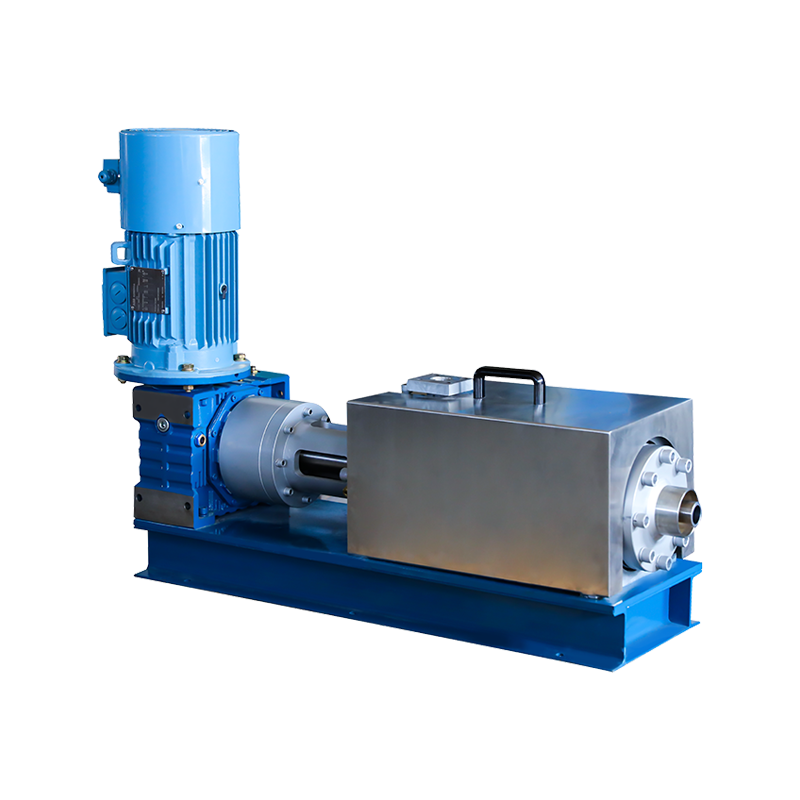
当社の特許製品であるダイナミックミキサーは、主に化学繊維の紡糸やプラスチック溶融の均一混合に使用されます。また、フィルムやインクなど、均一に混合する必要がある他の多くの材料に...
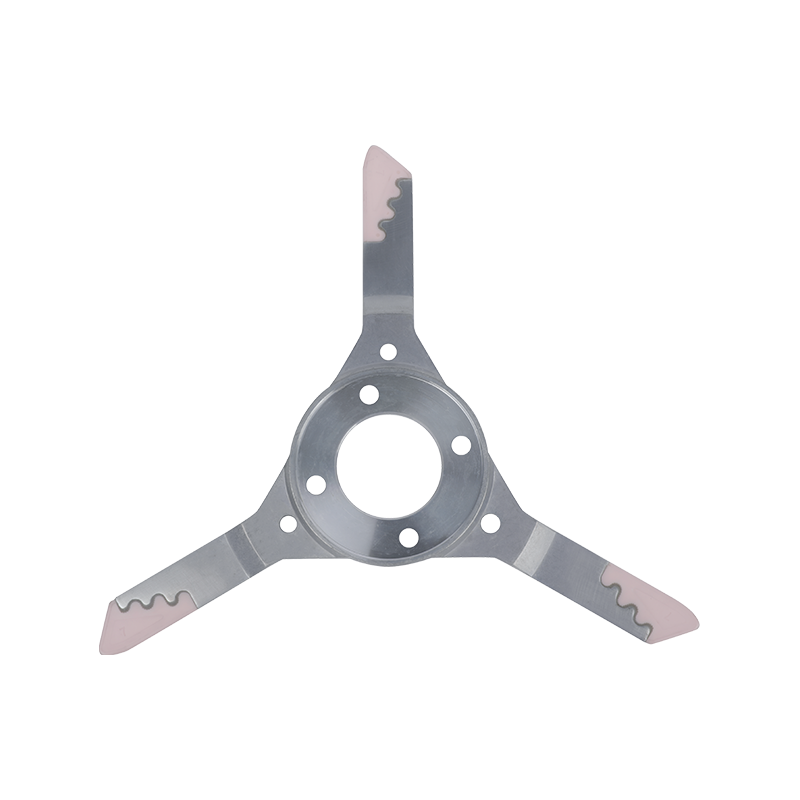
ドイツのバーマグ社向けに当社が生産したバーマグ社のシフトフォークは、化学繊維工場での実用化試験に合格しており、純正機械の技術レベルをさらに向上させております。
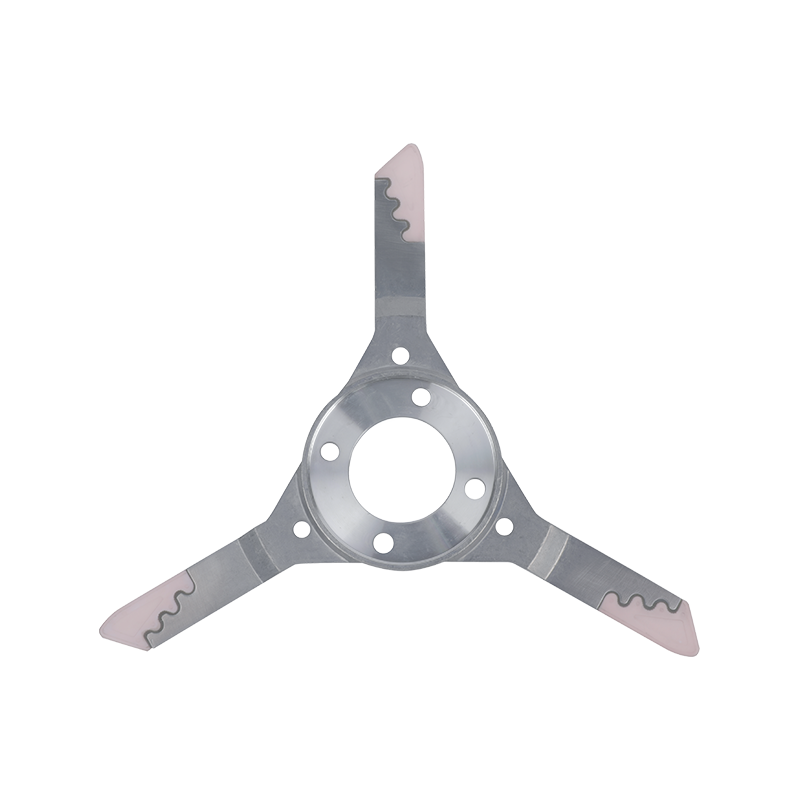
ドイツのバーマグ社向けに当社が生産したバーマグ社のシフトフォークは、化学繊維工場での実用化試験に合格しており、純正機械の技術レベルをさらに向上させております。
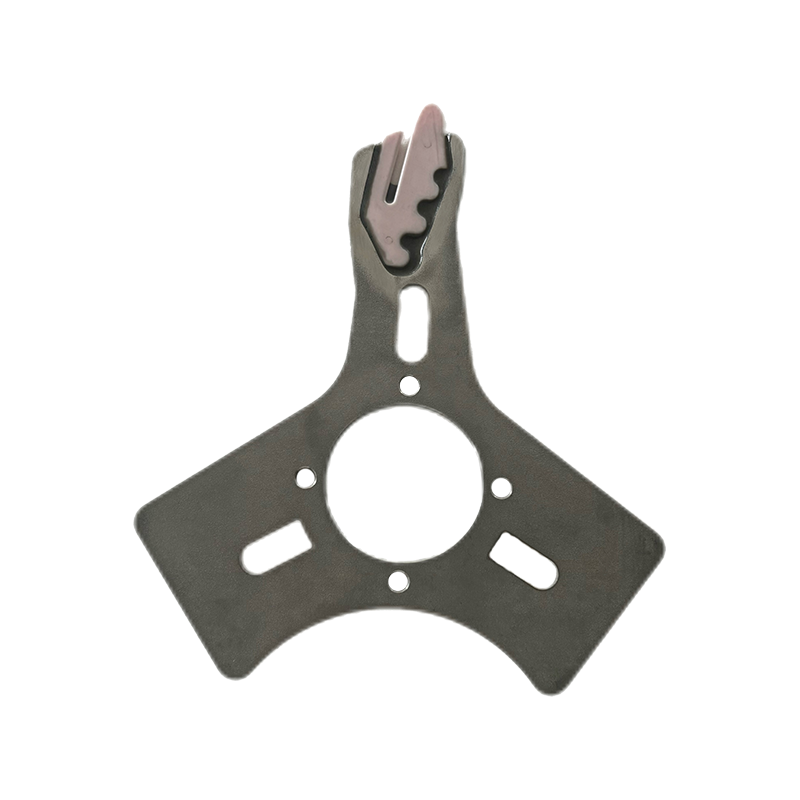
ドイツのバーマグ社向けに当社が生産したバーマグ社のシフトフォークは、化学繊維工場での実用化試験に合格しており、純正機械の技術水準を上回る品質を有しております。
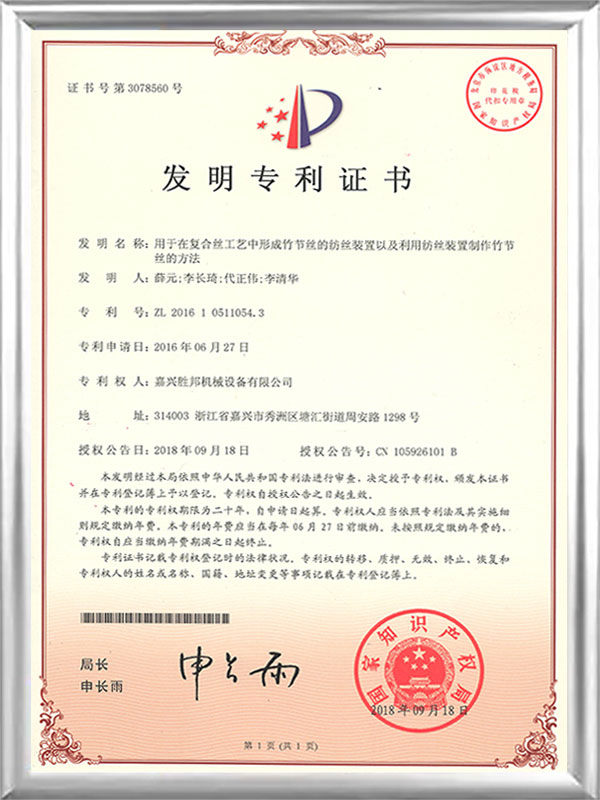
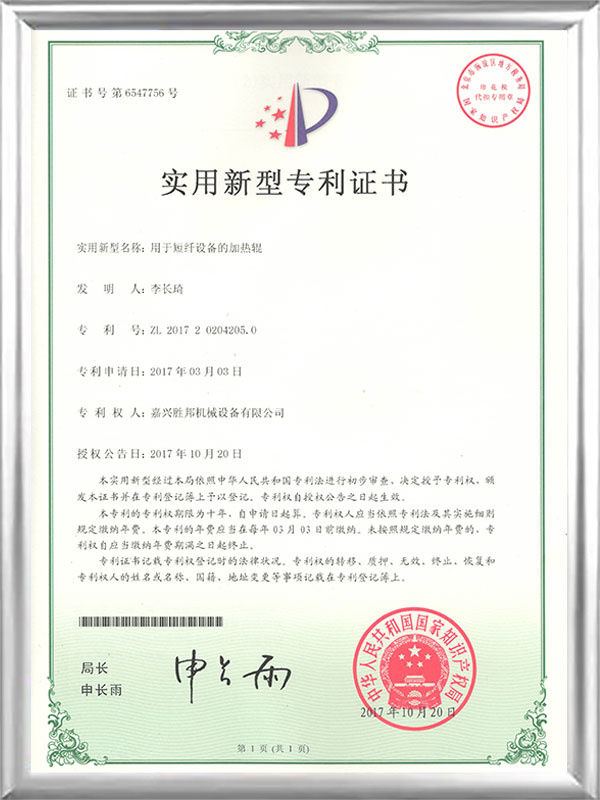
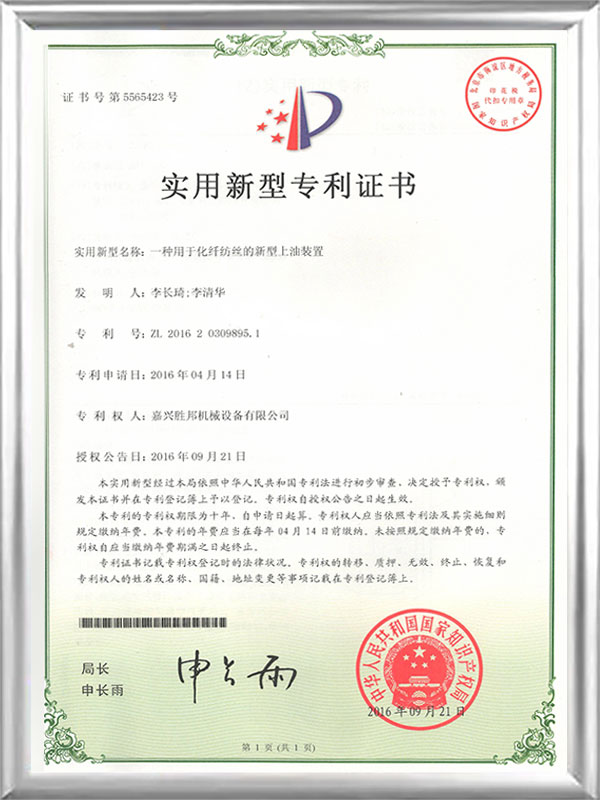
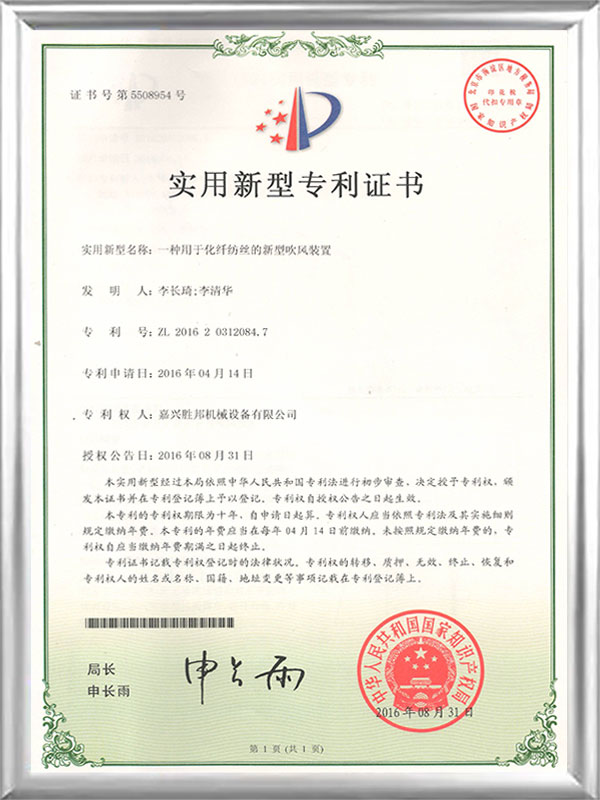
フィラメント糸のすべてのスプールは、紡績生産ラインでその寿命が始まります。化学繊維業界では、このラインは単一の機械ではなく、ポリマー原料(最も一般的には PET、PA、PP)を製織、編み物...
もっと見るすべての化学繊維開発プロジェクトは、「このポリマーが溶融、押出、延伸されて糸になったときにどのように挙動するのか」という疑問から始まります。完全な生産ラインに資本を投入する前に、パイロット...
もっと見るJiaxing Shengbang Mechanical Equipment では、紡績工場にとって Barmag の修理が実際に何を意味するかを知っています。ためらうワインダー、不安定な...
もっと見る半世紀以上にわたり、バーマグの紡績と巻き取り技術は化学繊維生産の標準を確立してきました。ほとんどすべての最新の POY、FDY、または産業用糸工場に足を踏み入れると、Barmag ワインダ...
もっと見るポリマー研究チームは新しい改良 PET 配合を検証する必要がありますが、唯一利用可能な生産ラインは今後 3 か月間予約でいっぱいです。 1 回のシフトで数十キログラムの糸を溶融、押し出し、...
もっと見る1. The impact of Shift Fork on the performance of a spinning machine
The working accuracy of a spinning machine is crucial to the quality of textiles. Shift Fork ensures that the mechanical system can operate precisely by precisely adjusting the relative positions of the internal components of the equipment. For example, during the spinning process, Shift Fork can help adjust the movement of the spinning head so that it maintains precise tension and speed during the spinning process, ensuring the uniformity and strength of the spinning line. Precise working conditions not only help improve the quality of the finished product, but also effectively reduce the scrap rate.
In a high-speed spinning machine, any small component failure may cause system instability and even trigger a chain reaction. As an important regulating component in the mechanical transmission system, the precise operation of Shift Fork ensures the stable operation of the mechanical system. Through effective transmission control, Shift Fork can reduce the impact and friction caused by component misalignment, avoid excessive mechanical wear, and extend the service life of the equipment. A stably operating system can significantly reduce equipment failures and downtime and improve production efficiency.
For enterprises, maintenance and repair costs account for an important part of operating costs. The effective operation of Shift Fork can avoid downtime and repair caused by failure, reducing unnecessary equipment downtime. More importantly, Shift Fork can reduce the wear of other mechanical parts, thereby extending the service life of the entire equipment. Regular maintenance and timely repairs can ensure that Shift Fork is in optimal working condition, thereby reducing the overall maintenance cost of the equipment.
Production efficiency is a key indicator of the success of textile enterprises. In a highly competitive market environment, any opportunity to reduce production line downtime is crucial. Shift Fork significantly improves production efficiency by ensuring the efficient operation of spinning machines. It can ensure that the various parts of the equipment operate in coordination and reduce interruptions caused by component failure. This coordination directly affects the continuity and smoothness of the production line, thereby accelerating the production process and maximizing production capacity.
In textile production, energy consumption is an important part of the company's operating costs. The stable operation of Shift Fork can reduce the energy loss of the equipment. When the various parts of the equipment work in coordination, the energy utilization efficiency of the mechanical transmission system will reach the best state. On the contrary, damage to Shift Fork will cause the equipment to be unsmooth, thereby increasing energy consumption. Therefore, keeping the Shift Fork in good condition not only helps to improve mechanical efficiency, but also optimizes energy use and reduces production costs.
2. Market trends and the importance of Shift Fork
With the continuous development of the textile industry and the increasing market demand for efficient and energy-saving production lines, textile companies have higher and higher requirements for equipment. At the same time, the application of intelligent and automated technologies has also continuously improved the operating efficiency and accuracy of textile machinery. Shift Fork, as a key component of the mechanical transmission system, is being increasingly valued.
With the advancement of new materials and manufacturing technologies, a variety of Shift Fork products with superior performance have appeared on the market. These new components have stronger wear resistance, fatigue resistance and longer service life, and can adapt to the production needs of high-intensity and high-speed operation. By adopting these high-performance components, textile companies can effectively improve the overall performance of the equipment and gain a competitive advantage in the market.
3. In order to ensure the long-term and stable operation of Shift Fork, companies need to pay attention to the following aspects:
Regular inspection and maintenance: Regularly check the wear and working status of the Shift Fork, lubricate and clean it in time to prevent wear caused by dust accumulation and poor lubrication.
Choose high-quality materials: High-quality materials can extend the service life of the Shift Fork and reduce the occurrence of failures. Choosing wear-resistant and corrosion-resistant materials is essential to improving the stability of the equipment.
Professional technical support: The company should ensure that it has a professional maintenance team and technical support to diagnose and handle Shift Fork failures in a timely manner to ensure the continuity of production.
住所: 浙江省嘉興市経済技術開発区周安路1298号
電話: +86 19057031687
電話: 86-0573-83777752
メール: [email protected]
Jiaxing Shengbang Mechanical Equipment Co., Ltd. 無断転載を禁じます。 カスタム バーマグ紡績機シフトフォークメーカー
