
 简体中文
简体中文







ポリエステル(PET)、ナイロン(PA)、ポリプロピレン(PP)、ポリ乳酸(PLA)などの製品のFDY、POY、HOYおよび工業用糸紡績機の研究、設計、製造、エンジニアリング...

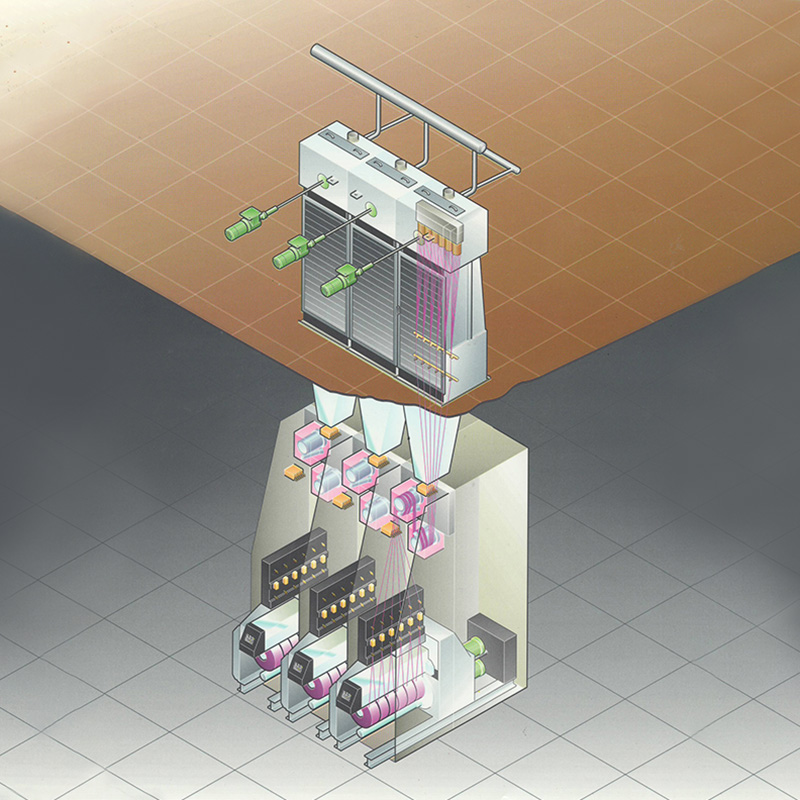
ポリエステル(PET)、ナイロン(PA)、ポリプロピレン(PP)、ポリ乳酸(PLA)などの製品のFDY、POY、HOYおよび工業用糸紡績機の研究、設計、製造、エンジニアリング...
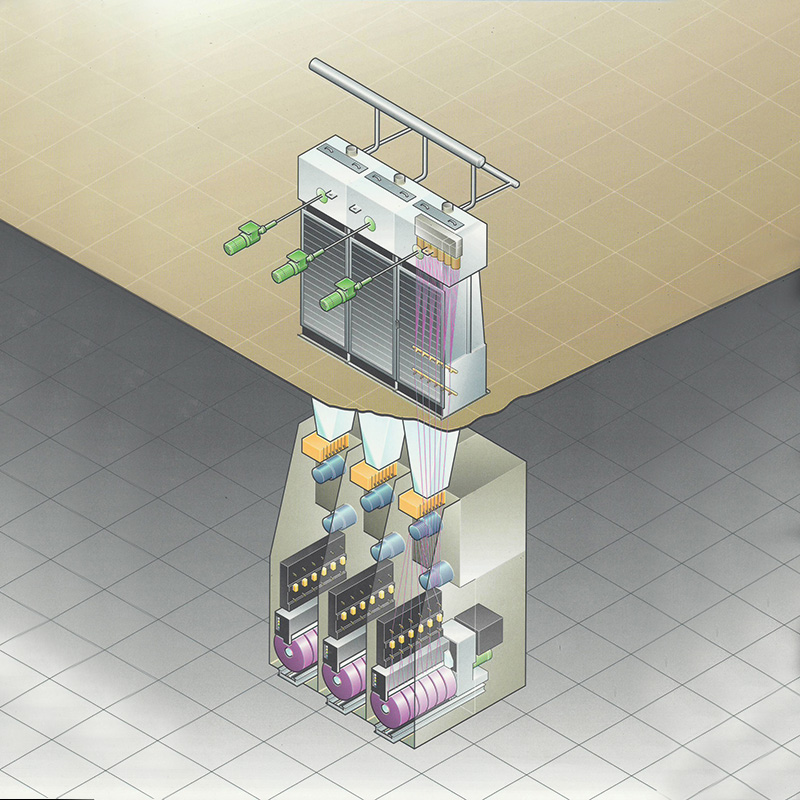
ポリエステル(PET)、ナイロン(PA)、ポリプロピレン(PP)、ポリ乳酸(PLA)などの製品のFDY、POY、HOYおよび工業用糸紡績機の研究、設計、製造、エンジニアリング...
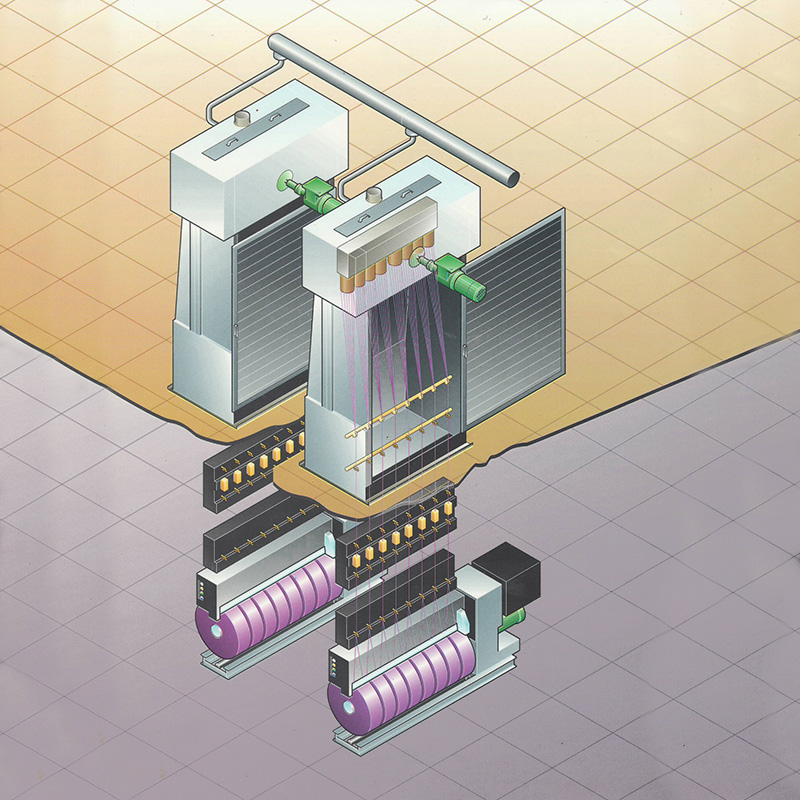
ポリエステル(PET)、ナイロン(PA)、ポリプロピレン(PP)、ポリ乳酸(PLA)などの製品のFDY、POY、HOYおよび工業用糸紡績機の研究、設計、製造、エンジニアリング...

ポリエステル(PET)、ナイロン(PA)、ポリプロピレン(PP)、ポリ乳酸(PLA)などの製品のFDY、POY、HOYおよび工業用糸紡績機の研究、設計、製造、エンジニアリング...
はじめに 繊維業界は常に進化しており、メーカーは高品質の生産物を維持しながら生産コストを削減する方法を模索しています。注目を集めている解決策の 1 つは、 中古紡績機 s.これらの機械は以前に所有されており、多くの場合改修または再販されるため、新品の機器に代わるより手頃な価格の代替品となります。 中古紡績機とは何ですか? 中古紡績機とは、...
もっと見る1. はじめに: ポリプロピレン繊維を詳しく調べる必要がある理由 合成繊維の中でも、ポリプロピレン (PP) は汎用素材として分類されることが多く、PET や PA のエンジニアリング性能の影に隠れがちです。しかし、PP 繊維は物理的および化学的特性の組み合わせにより、いくつかの大量産業用途分野において機能的に代替不可能なものとなり、世界の繊維市場で重要かつ成長しつつある地位を占めています...
もっと見るはじめに 繊維業界がより持続可能な取り組みに移行するにつれて、リサイクルポリエステル生地の需要が急増しています。これらの環境に優しい繊維製品の製造の中心となるのは、リサイクルされた PET (ポリエチレン テレフタレート) フレークの使用です。ただし、これらのフレークを高品質の繊維や生地に加工する前に、乾燥という重要なステップを経る必要があります。ここが PETフレーク乾燥機 ...
もっと見る1. The influence of spinning speed on unit energy consumption
Spinning speed is an important indicator to measure the efficiency of spinning production line, which is directly related to the production efficiency and capacity of fiber. However, changes in spinning speed will also bring about changes in energy consumption. Generally speaking, the faster the spinning speed, the more fiber is produced per unit time, but the corresponding energy consumption will also increase.
Under low-speed spinning conditions, the production line runs relatively smoothly and the equipment load is low. At this time, although the production efficiency is not high, the energy consumption is relatively low. Due to the slow spinning speed, the fiber has sufficient time to stretch and shape in the spinning process, so the product quality is often better. However, low-speed spinning is difficult to meet the needs of large-scale production, and the equipment utilization rate is low, resulting in an increase in overall production costs.
High-speed spinning is the mainstream choice of modern spinning production lines, which greatly improves production efficiency and meets the market's large demand for fibers. However, high-speed spinning also brings about an increase in energy consumption. Under high-speed operation, factors such as equipment friction and air resistance will lead to an increase in energy consumption. High-speed spinning requires higher precision and stability of the equipment, so the equipment investment and maintenance costs will also increase accordingly.
2. Energy waste when the equipment is idling or in standby mode
In addition to the spinning speed, the energy waste of industrial yarn spinning production line equipment when it is idling or in standby mode is also an important problem facing the textile industry. When the equipment is idling or in standby mode, although no actual production is carried out, a large amount of energy is still consumed. This waste not only increases production costs, but also burdens the environment.
Equipment idling usually occurs in the production preparation stage or production interval. During this period, although the equipment does not perform actual spinning operations, it still needs to continue to operate in order to keep the parameters such as temperature and pressure of the equipment stable. Although the energy consumption in this idling state is lower than that in normal production, it is also a considerable expense when accumulated over a long period of time.
Equipment standby usually occurs after the end of production or when the equipment fails. In standby mode, although the equipment stops its main working functions, it still maintains the operation of some systems, such as control systems and monitoring systems. The operation of these systems also consumes energy.
In order to reduce the energy waste of equipment standby, Jiaxing Shengbang Mechanical Equipment Co., Ltd. has adopted an intelligent control system to manage the standby state of the equipment. Through the intelligent control system, the company can monitor the operating status of the equipment in real time and automatically adjust its energy consumption when the equipment is in standby state. For example, when the equipment is in standby state for a long time, the intelligent control system will automatically shut down some unnecessary systems to reduce energy consumption. In addition, the company also regularly maintains and overhauls the equipment to ensure that the equipment is in good working condition and reduce the standby time caused by equipment failure.
3. Measures and suggestions for optimizing energy consumption
According to market demand and product characteristics, the spinning speed of the industrial yarn spinning production line should be reasonably adjusted to achieve the best balance between energy consumption and production efficiency. Under the premise of ensuring product quality, the spinning speed should be increased as much as possible to improve production efficiency. Pay attention to the energy consumption of the equipment under high-speed operation and take timely measures to reduce energy consumption.
Improve the degree of automation of the equipment through technical transformation, so that the equipment can automatically adjust the energy consumption when idling or in standby state. For example, an intelligent control system can be used to manage the operating status of the equipment to achieve real-time monitoring and adjustment of energy consumption.
Strengthen energy-saving training for employees and improve their energy-saving awareness. Let employees pay more attention to energy conservation and consumption reduction in daily operations, such as reasonably adjusting equipment parameters and shutting down unnecessary systems in time.
Regularly maintain and overhaul equipment to ensure that the equipment is in good working condition. Reduce standby time caused by equipment failure and reduce energy consumption. Clean and lubricate equipment regularly to reduce friction resistance during equipment operation and reduce energy consumption.
Actively adopt energy-saving equipment and technologies, such as high-efficiency energy-saving motors, variable frequency speed regulation technology, etc. These equipment and technologies can effectively reduce energy consumption and improve production efficiency. Pay attention to the development of new technologies, introduce and apply new technologies in a timely manner, and promote energy conservation and emission reduction in the textile industry.
住所: 浙江省嘉興市経済技術開発区周安路1298号
電話: +86 19057031687
電話: 86-0573-83777752
メール: [email protected]
Jiaxing Shengbang Mechanical Equipment Co., Ltd. 無断転載を禁じます. 卸売 工業用糸紡績生産ライン サプライヤー
